Statement leading to lead magnet.

Understanding what happens during an emergency make-safe response helps facilities managers and building owners prepare for these critical situations and minimise both risk and disruption.

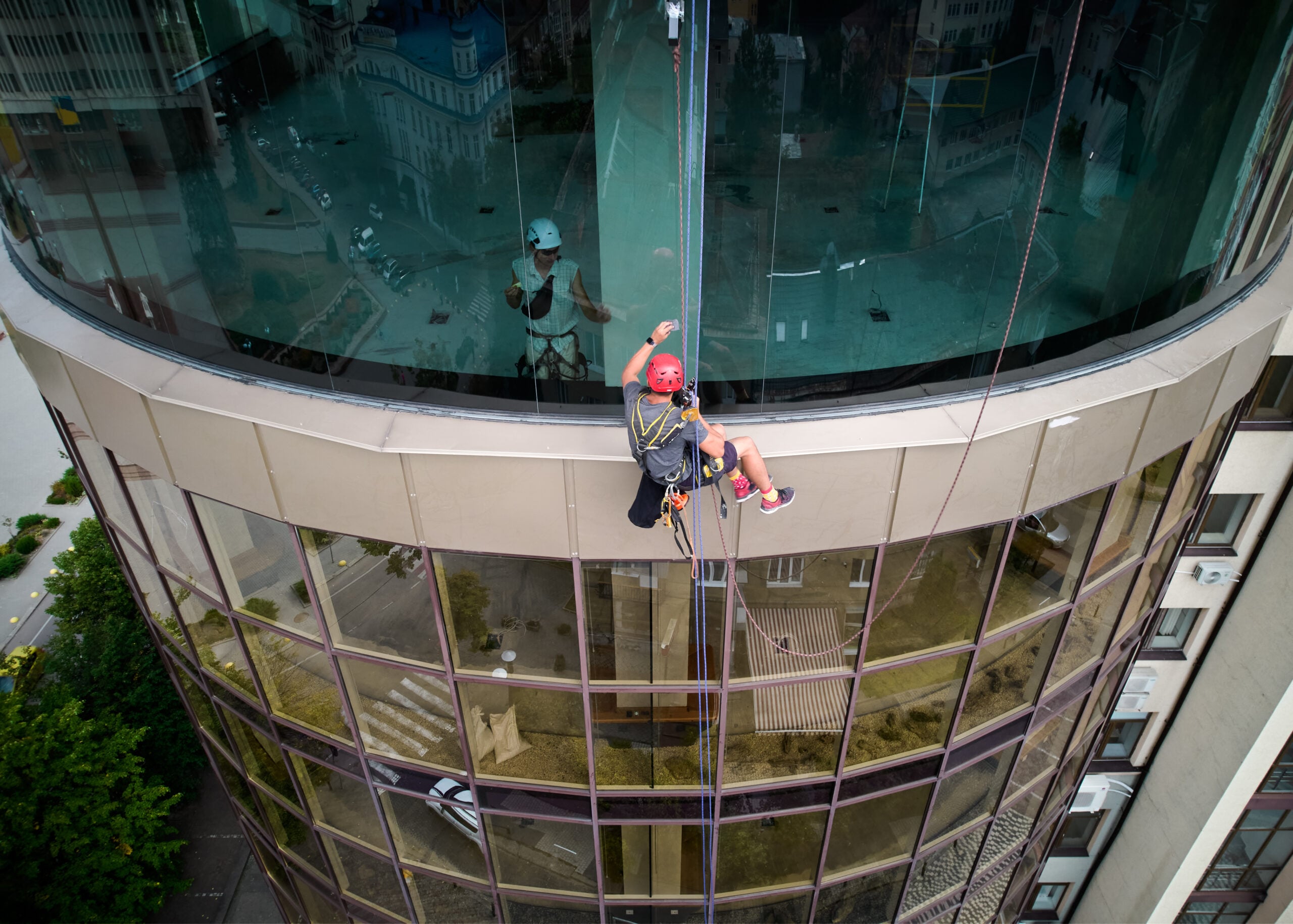
When glass shatters at height or a commercial glazing panel fails unexpectedly, the first sixty minutes determine everything. Broken overhead glazing poses immediate dangers to building occupants and the public below, whilst exposed openings create security vulnerabilities and weather exposure risks that worsen by the hour. Understanding what happens during an emergency make-safe response helps facilities managers and building owners prepare for these critical situations and minimise both risk and disruption.
The moment you contact an emergency glazing service, a structured response protocol begins. Experienced rope access companies prioritise make-safe calls immediately, recognising that time-sensitive glazing emergencies demand rapid mobilisation. During this initial conversation, the emergency coordinator gathers essential information about the incident:
This information allows the team to assess the urgency level and determine the appropriate response. For high-level glazing failures in busy commercial areas or buildings with significant public footfall, emergency teams can typically mobilise within one to two hours. The coordinator immediately dispatches an IRATA Level 3 qualified supervisor who will lead the emergency response, whilst the office team begins preparing the necessary access equipment and safety materials.
Upon arrival at site, typically within the first hour for genuine emergencies, the IRATA Level 3 supervisor conducts an immediate visual assessment of the damaged glazing. This critical evaluation determines:
For overhead glazing situations where broken glass remains partially in place, the supervisor establishes an exclusion zone at ground level to prevent access beneath the hazard. Ground marshals secure the area with hard barrier cordoning and appropriate signage, ensuring that building occupants and the public remain at a safe distance whilst emergency works proceed above.
The supervisor then designs the rope access rig specific to the building’s architecture and the damaged glazing location. This design process accounts for:
Every aspect of this planning prioritises safety whilst enabling swift action to secure the site.
With the rig design completed and risk assessment documented, IRATA qualified rope access technicians begin the emergency make-safe works. The specific approach varies depending on the nature and location of the glazing failure, but the primary objective remains constant: eliminate the immediate danger and secure the building against further damage.
For cracked or fractured glazing that remains partially intact, technicians often apply high-performance safety film across the entire damaged unit. This transparent film bonds to the glass surface, preventing any fragments from falling whilst maintaining visibility through the opening. The film application represents a temporary measure, holding the compromised glazing secure until a replacement unit can be procured and installed.
When glazing has completely failed or shattered, creating an open cavity in the building envelope, the rope access team undertakes controlled removal of all remaining glass fragments. Working methodically from their rope access systems, technicians carefully extract broken glass whilst ensuring no debris falls to areas below. Once all hazardous material has been safely removed to ground level, the team installs temporary boarding or weatherproofing to seal the opening.
The choice of temporary protection depends on several factors:
For situations requiring visibility, technicians may install temporary glazing material or clear polycarbonate sheeting that allows full vision whilst protecting the interior space.
For larger openings or locations where visibility isn’t essential, properly fitted boarding provides excellent weather protection and security. The rope access team ensures all temporary installations are thoroughly sealed against water ingress, secured against wind loading, and fixed without causing damage to surrounding framework or seals. This attention to detail during the make-safe phase prevents secondary damage and maintains the building’s weathertight integrity.
Throughout these emergency works, the rope access team maintains constant communication with building management, providing updates on progress and any additional observations about the glazing system. This collaborative approach ensures everyone understands the situation and the timeline for returning the building to normal operations.
Before leaving site after the emergency make-safe, the technical team conducts thorough documentation of the incident and completed works. This documentation proves invaluable for insurance claims and future repair planning. The team captures:
Following the emergency attendance, the office-based projects team prepares a comprehensive technical report detailing:
This detailed documentation ensures the subsequent permanent repair can proceed smoothly, with accurate specifications and no delays caused by missing information.
The report also includes a fully costed proposal for the permanent glazing replacement, presented clearly with realistic timescales that account for custom glass manufacturing requirements. For commercial properties, this transparent approach to pricing and scheduling helps facilities managers plan budgets and coordinate the permanent works with minimal disruption to building operations.
Rope access techniques offer significant advantages for emergency glazing make-safe works compared to traditional access methods. When overhead glazing fails in busy commercial areas, powered access equipment like cherry pickers often cannot reach the site quickly due to positioning constraints, traffic management requirements, and setup time. Scaffolding represents an even longer delay, sometimes requiring days to erect safely.
Rope access teams arrive with compact equipment that fits in standard vehicles, allowing rapid deployment to any location. The technicians establish their rope access systems in minutes rather than hours, using existing building features like roof anchor points or structural elements. This speed of access becomes crucial when broken glass threatens public safety or when weather conditions risk causing water damage through exposed openings.
The flexibility of rope access methods also allows technicians to work in confined spaces or complex architectural features where mechanical access platforms cannot reach. Shopping centre atriums, hotel lobbies with decorative glazed features, and office buildings with limited external access all benefit from the manoeuvrability that rope access provides during emergency situations.
Whilst emergency make-safe services provide essential rapid response when glazing fails unexpectedly, many emergency situations can be prevented through regular inspection and planned preventive maintenance. Facilities managers who implement scheduled rope access inspections of high-level glazing systems can identify early warning signs before complete failure occurs:
These observations represent opportunities for planned intervention before emergency repairs become necessary.
Service level agreements with experienced rope access companies provide guaranteed response times for both emergency and planned maintenance works, ensuring that commercial buildings receive consistent professional care. These ongoing relationships also mean the rope access team becomes familiar with your building’s glazing systems, enabling faster diagnosis and more efficient repairs when issues do arise.
Not all glazing companies possess the specialist equipment, training, and experience required for high-level emergency make-safe works. When selecting an emergency glazing service, building owners and facilities managers should verify several critical qualifications:
These credentials indicate professional standards and genuine emergency service capability rather than theoretical availability.
Facing a commercial glazing emergency? GLRE Manchester provides 24-hour emergency make-safe services across the UK, with IRATA-qualified rope access technicians ready to mobilise immediately. Our experienced team responds to high-level glazing failures with the expertise and equipment needed to secure your building safely and efficiently. Contact our emergency response team on 0161 850 0605 or email info@glre.co.uk for immediate assistance. For planned preventive maintenance that helps avoid emergency situations, request a site survey to discuss tailored service level agreements for your commercial property.


GLRE © All Rights Reserved 2026