Statement leading to lead magnet.

Modern high level glazing refurbishment techniques offer alternatives that can dramatically improve thermal performance without substantial costs.

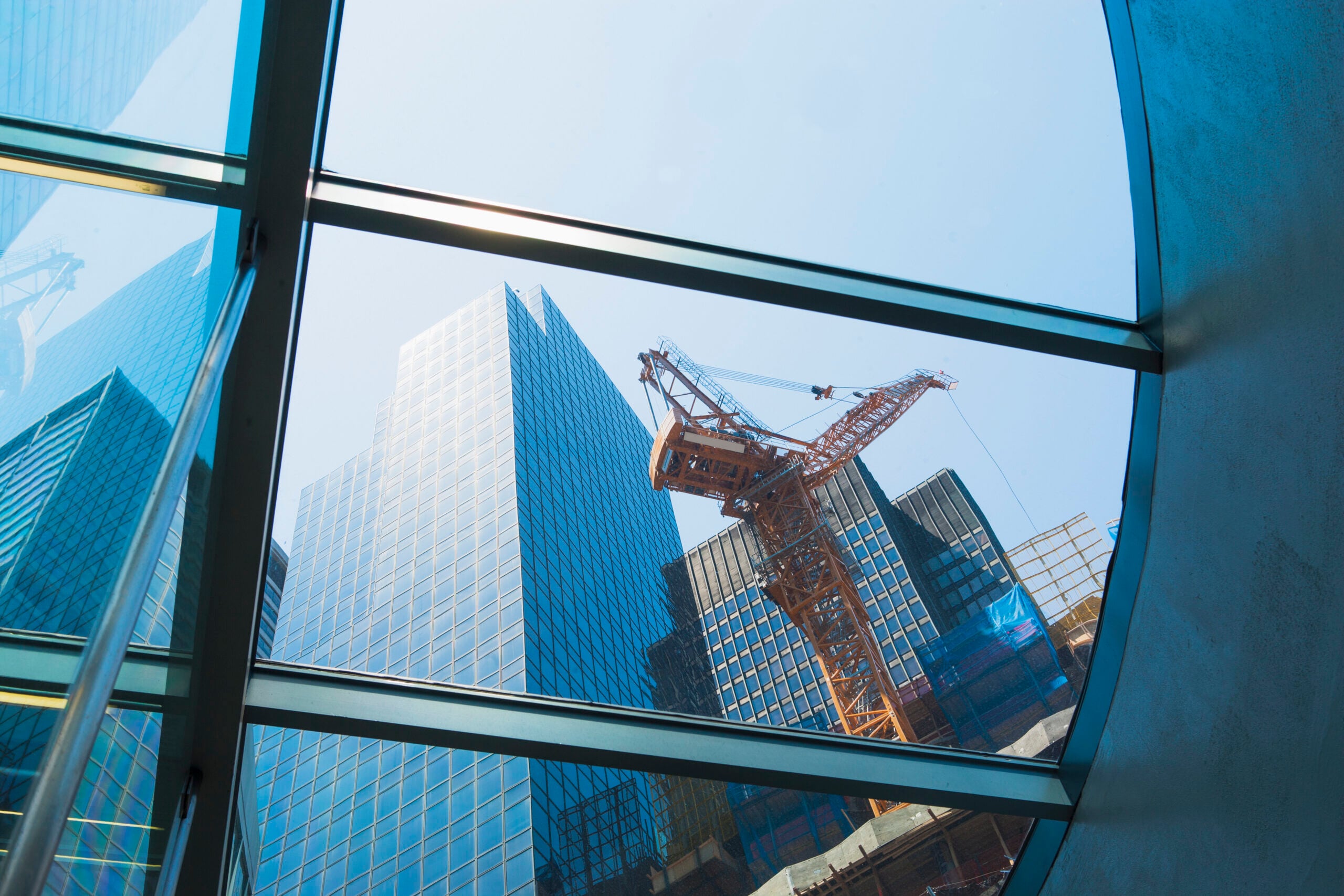
When considering commercial glazing improvements, property owners often assume complete replacement is the only route to enhanced energy efficiency. However, modern glazing refurbishment techniques now offer compelling alternatives that can dramatically improve thermal performance without the substantial costs and disruption associated with full high level glass replacement.
High level glazing systems present unique thermal challenges. The upper sections of tall buildings experience greater temperature differentials, increased wind exposure, and more pronounced solar gain effects. These factors combine to create significant energy losses when glazing systems underperform.
Older commercial glazing installations typically feature single glazing or early generation double glazed units with basic specifications. The thermal transmittance values of these systems fall far short of contemporary standards, resulting in substantial heating and cooling costs whilst compromising occupant comfort.
Common thermal efficiency issues in high level glazing include:
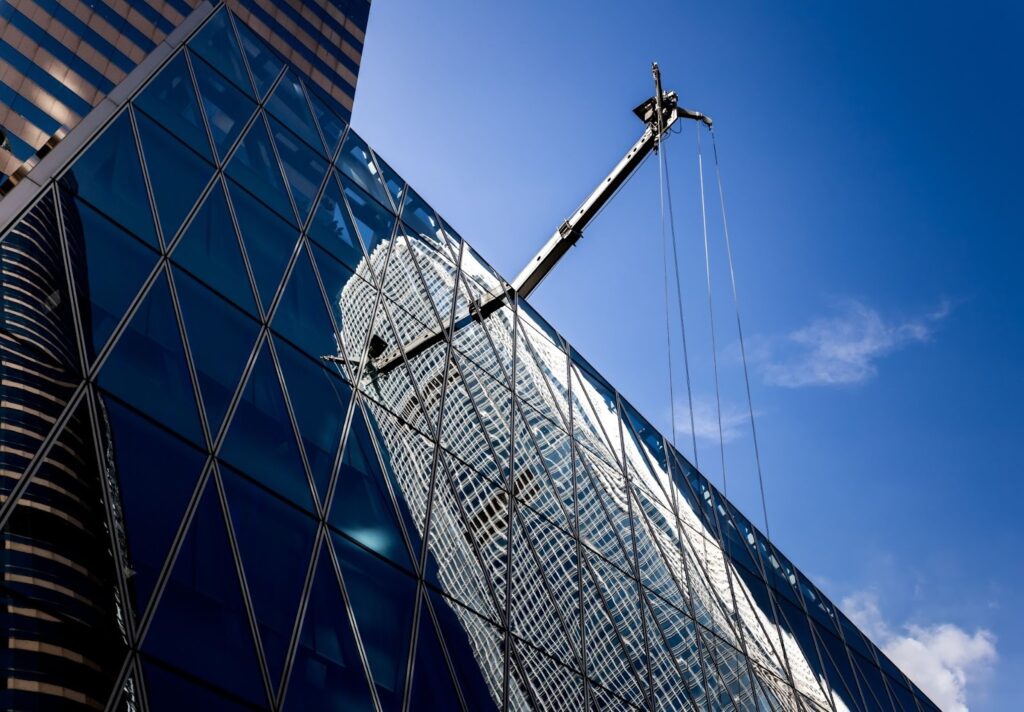
Modern high level glazing refurbishment programmes can incorporate various thermal enhancement technologies without necessitating complete panel replacement. These solutions deliver measurable performance improvements whilst preserving the existing structural framework.
Applied film technologies offer one of the most cost-effective thermal upgrades available. Low-emissivity films reject infrared radiation whilst maintaining visible light transmission, reducing heat loss in winter and solar gain in summer. When applied to existing high level glazing, these films can improve U-values by up to 30 per cent.
The installation process requires minimal disruption. Rope access technicians can apply films to internal or external surfaces depending on the specific product and performance requirements. The technology proves particularly effective in buildings where complete high level glazing replacement proves prohibitively expensive or logistically challenging.
For buildings with historic or structurally sound primary glazing, secondary glazing provides substantial thermal benefits. This approach creates an additional sealed cavity, dramatically improving insulation values whilst preserving the original facade character.
Secondary systems can be installed internally via rope access techniques in high level applications. The trapped air cavity acts as an effective thermal barrier, whilst modern designs incorporate low-emissivity glass and inert gas fills for maximum performance.
When existing frames remain structurally sound, replacing only the glazed units offers an excellent middle ground between full replacement and coating solutions. Modern sealed units incorporate multiple technologies that vastly outperform older specifications.
Contemporary units feature:
High level glazing refurbishment projects that incorporate these advanced units typically achieve U-values comparable to new installations at approximately half the cost.
The rope access methodology proves particularly advantageous for sealed unit replacement. Technicians can remove and install units with minimal equipment and no ground-level disruption, maintaining building operations throughout the works.
Thermal performance depends not only on glass specification but equally on frame condition and seal integrity. High level glazing systems often suffer from thermal bridging through aluminium frames and air leakage around deteriorated seals.
Comprehensive glazing refurbishment addresses these critical areas. Frame thermal breaks can be retrofitted or enhanced, whilst complete gasket replacement eliminates air infiltration paths. Modern EPDM gaskets maintain flexibility and sealing performance far longer than older neoprene alternatives.
Weather seal replacement forms an essential component of thermal upgrading. External seals prevent water ingress that degrades insulation properties, whilst internal seals eliminate air movement that increases thermal transfer. The combination delivers measurable improvements in building envelope performance.

The financial case for high level glazing refurbishment over complete replacement becomes compelling when considering lifecycle costs. Energy savings typically offset refurbishment costs within five to seven years, whilst complete high level glazing replacement may require ten to fifteen years for payback.
Buildings with high energy costs due to extensive glazed areas see the most dramatic returns. A typical commercial building with 40 per cent glazed facade can reduce heating and cooling costs by 20 to 35 per cent through comprehensive thermal refurbishment.
Key financial benefits include:
Properly executed thermal upgrades deliver performance that rivals new installations whilst extending the serviceable life of existing systems. Quality materials combined with expert installation ensure durability that justifies the investment.
Regular maintenance programmes preserve thermal performance over time. Periodic inspections identify minor issues before they compromise efficiency, whilst planned seal replacement maintains airtightness. This proactive approach maximises the return on thermal improvement investments.
The combination of advanced materials, rope access expertise, and comprehensive refurbishment planning enables commercial property owners to achieve modern thermal standards without the expense and disruption of complete high level glazing replacement. The result delivers improved occupant comfort, reduced operational costs, and enhanced building sustainability.
Our specialist rope access team provides comprehensive assessments and cost-effective refurbishment solutions for commercial glazing across Manchester and nationwide. Contact GLRE today for a free site survey and discover how thermal upgrades can transform your building’s efficiency.



GLRE © All Rights Reserved 2026