Statement leading to lead magnet.
Understanding the inspection requirements, safety, and compliance obligations is essential for maintaining legal compliance and public safety.

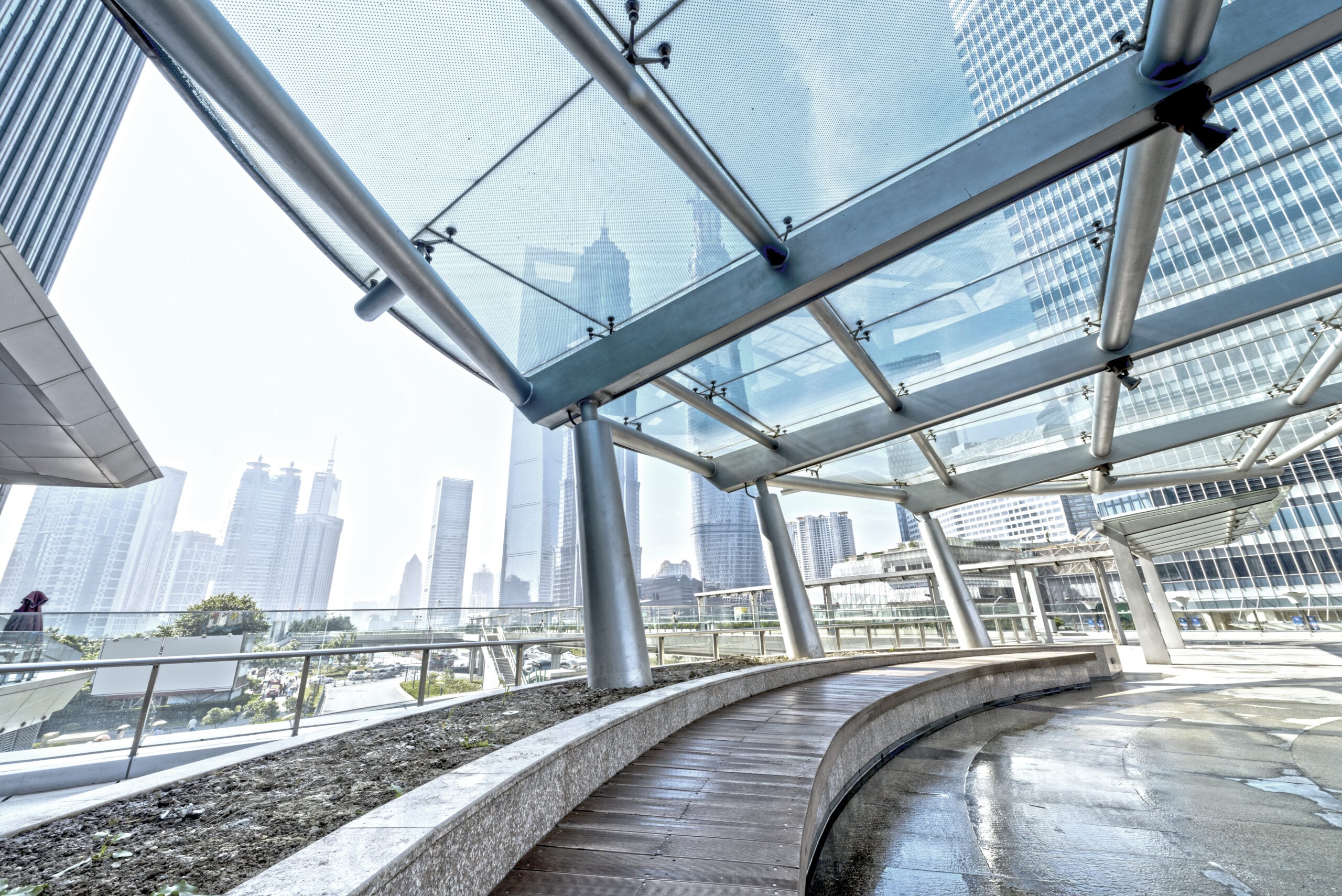
Atrium glazing creates stunning architectural features that flood commercial spaces with natural light, but these overhead glass installations also carry significant safety responsibilities. Property owners and facilities managers must navigate complex regulations whilst ensuring their atrium structures remain safe for building occupants and visitors. Understanding the inspection requirements, safety standards, and compliance obligations is essential for maintaining both legal compliance and public safety.
The legal requirements governing atrium glazing in the UK stem from several key pieces of legislation. The Building Regulations, particularly Approved Document K covering protection from falling and impact, set out specific requirements for glazing in overhead positions. These regulations mandate the use of safety glass in locations where people could come into contact with glazing or where breakage could present a hazard.
For atrium glazing installations, laminated glass is typically specified to ensure that even if breakage occurs, the glass fragments remain bonded to the interlayer rather than falling onto the space below. The Health and Safety at Work Act 1974 places a general duty on building owners to ensure the safety of anyone who might be affected by their premises, which extends to maintaining overhead glazing in a safe condition.
The Construction (Design and Management) Regulations also play a crucial role, particularly during any maintenance, repair, or modification work on atrium structures. These regulations require that safe systems of work are established and that competent contractors are engaged for any interventions affecting the glazing system.
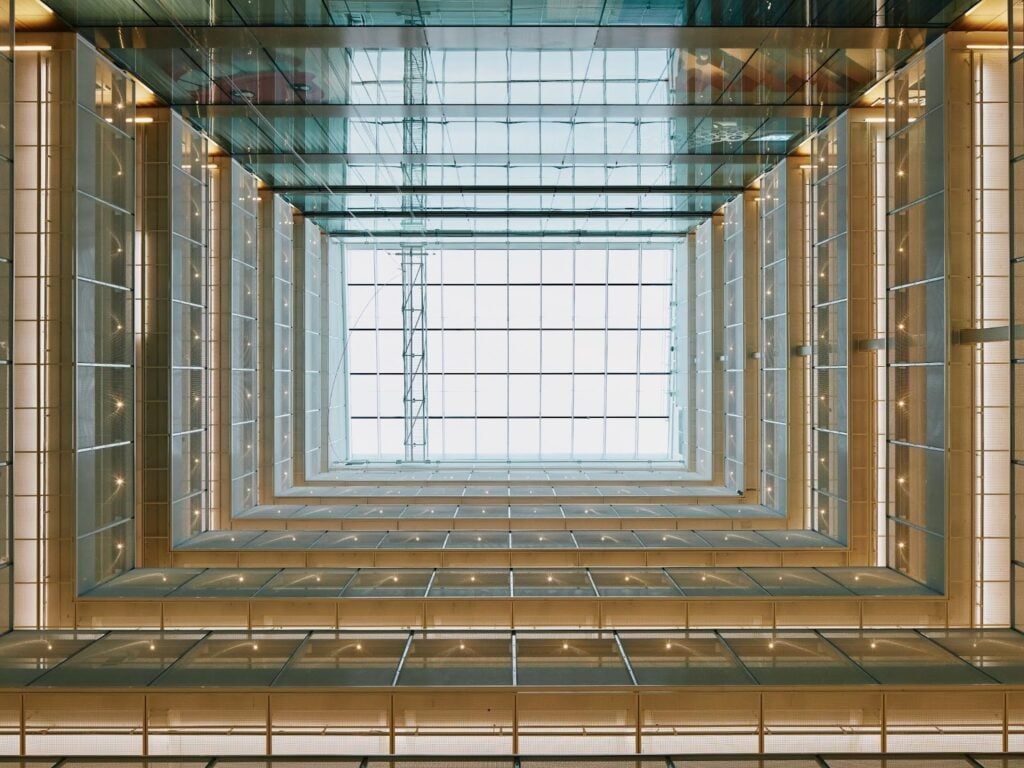
Not all glass is suitable for atrium applications, and the choice of glazing specification directly impacts long-term safety. Toughened glass, whilst stronger than standard annealed glass, shatters into small granular pieces when broken. In overhead positions, this characteristic makes it unsuitable as a sole glazing solution, although it may form part of a laminated assembly.
Laminated safety glass consists of two or more glass panes bonded together with an interlayer, typically polyvinyl butyral (PVB). This construction ensures that if the glass breaks, the fragments adhere to the interlayer, preventing dangerous falls of glass shards into the atrium space below. The thickness of both the glass and the interlayer must be calculated based on the span, loading conditions, and specific application requirements.
For larger atrium installations, structural glazing systems may incorporate additional safety features such as secondary retention systems. These mechanical supports provide a backup should the primary glazing fixings fail, adding an extra layer of protection. Understanding these specifications helps property managers ensure their atrium glazing meets current safety standards.

Regular inspections form the cornerstone of atrium glazing safety management. The frequency of these inspections depends on several factors, including the age of the installation, environmental conditions, and the level of building use. As a general principle, annual inspections by competent professionals represent the minimum standard for most commercial atrium glazing.
During inspections, trained assessors examine the glass panes for signs of damage, stress, or deterioration. Chips, cracks, or delamination in atrium glazing require immediate attention, as these defects can compromise the structural integrity and safety performance of the glass. Edge condition is particularly important, as damage to glass edges represents a common failure initiation point.
The supporting framework and fixings also demand careful scrutiny. Glazing seals can deteriorate over time, potentially allowing water ingress that accelerates corrosion of metal components. Structural silicone joints require inspection for adhesion and integrity, whilst mechanical fixings need checking for corrosion, looseness, or other defects. Any movement or deflection in the supporting structure should be noted and investigated.
More frequent inspections may be warranted following severe weather events, nearby construction work, or any incident that could have impacted the atrium glazing. Property managers should also implement visual monitoring protocols between formal inspections, enabling building staff to identify obvious defects or damage promptly.
Despite best efforts in maintenance and inspection, emergencies involving atrium glazing can occur. Establishing clear emergency protocols ensures rapid, appropriate responses that prioritise safety. Every commercial building with atrium glazing should have documented procedures for dealing with glass damage, including immediate actions to secure the area and protect building occupants.
When atrium glazing sustains damage, the affected area must be cordoned off immediately to prevent injury from falling glass or further breakage. Building management should maintain contact details for emergency glazing contractors capable of rapid response, particularly those with rope access capabilities who can reach overhead glass safely without the delays associated with scaffolding erection.
Professional assessment following any damage incident is essential, even if the damage appears minor. Stress patterns in glass can extend beyond visible cracks, and apparently stable damaged glass may pose ongoing risks. Temporary make-safe measures might involve installing protective barriers below the damaged area, applying safety film, or implementing temporary supports, depending on the specific circumstances.
Managing atrium glazing safety effectively requires ongoing commitment and expert support. Property owners who establish relationships with specialist glazing contractors benefit from proactive maintenance programmes tailored to their specific installations. These partnerships ensure that inspections occur on schedule, minor issues are addressed before they escalate, and documentation of compliance activities remains current.
Professional contractors bring not only technical expertise but also understanding of evolving standards and best practices. As building regulations and industry guidance develop, specialist advisors can recommend appropriate upgrades or modifications to maintain compliance and enhance safety. This forward-looking approach protects building occupants whilst also safeguarding property owners against potential liability.
The investment in proper atrium glazing safety management represents prudent risk management. Regular inspections, prompt repairs, and adherence to current standards create safer buildings whilst avoiding the significant costs and disruption associated with emergency interventions or, worse still, accidents resulting from neglected maintenance.
Concerned about your atrium glazing safety compliance? Our IRATA-certified team provides comprehensive inspection services and can access even the most challenging overhead glazing installations using rope access techniques. Contact us today to schedule a professional safety assessment of your atrium structure.



GLRE © All Rights Reserved 2026