Statement leading to lead magnet.

GLRE covers the most common commercial glazing repairs, when to act on defects, and what the repair process involves. Contact our glazing specialists for a free survey.

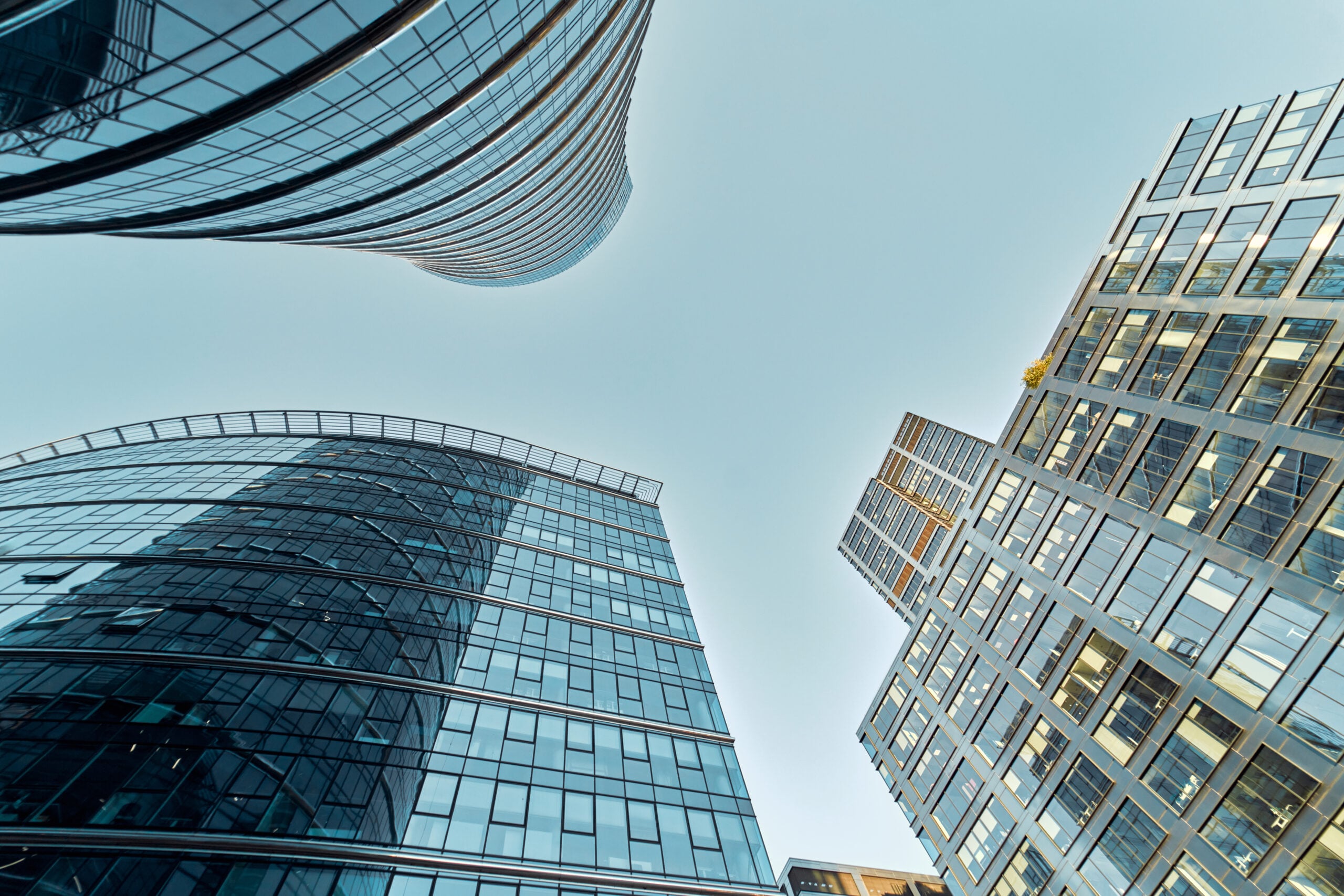
Commercial glazing repair covers any intervention that restores a failed, damaged, or deteriorating glazing element on a commercial building to a safe and functional condition. This ranges from replacing a single cracked glass panel on a third-floor office window to a systematic programme of sealant renewal and glass replacement across a full curtain wall facade, and everything in between.
Unlike domestic glazing, where a local glazier with a ladder can typically address most problems, commercial glazing repair on mid- and high-rise buildings requires specialist access capability as well as glazing expertise. The access challenge, reaching damaged or failed glazing safely at height, and the technical challenge, specifying and executing the repair correctly for the glazing system involved, are both specialist disciplines. GLRE provides both in a single service, deploying IRATA-qualified rope access teams with the glazing knowledge to carry out repairs correctly on buildings of any height and type.
Commercial glazing defects follow predictable patterns driven by the age of the building, the quality of original installation, the type of glazing system, and the building’s exposure conditions. The following are the repairs GLRE carries out most frequently.
| Repair Type | Typical Trigger |
| Silicone sealant replacement | Visible sealant cracking, shrinkage, or discolouration; active water ingress at panel joints; building age indicating likely end of sealant service life. |
| Glass panel replacement | Impact cracking or breakage; spontaneous toughened glass failure; misted or fogged sealed units; glass panels failing to meet current safety or fire rating requirements. |
| Gasket and glazing bead renewal | Visible gasket hardening or shrinkage; water ingress at glass perimeter; draughts through glazing frames; building age over 15-20 years without gasket inspection. |
| Structural silicone repair | Visible debonding at panel edges on structural glazing facades; movement detected in panels; post-inspection finding of adhesive degradation. |
| Frame repair and protection | Surface corrosion on aluminium or steel framing; finish degradation creating aesthetic or warranty issues; structural corrosion identified during inspection. |
| Drainage clearance and repair | Active water ingress despite apparent sealant integrity; overflow from glazing drainage channels; visible debris accumulation in drainage details. |
| Emergency make-safe and board-up | Sudden glass breakage; storm damage; vandalism; any situation where loose or unstable glass presents an immediate public safety risk. |
The timing of commercial glazing repair has a direct impact on cost. Defects that are identified and addressed early are almost always cheaper to repair than defects that have been allowed to develop or are detected only after secondary damage has occurred.
Act immediately: Any glazing defect that presents an immediate safety risk, including loose, cracked, or broken glass at height, partial debonding of structural glazing, and damaged overhead or canopy glazing, requires urgent make-safe attendance regardless of the time or day. Delaying a response to a public safety hazard increases liability exposure and the risk of a more serious incident.
Act within weeks: Water ingress that is active should be investigated and repaired without prolonged delay. Water that has entered the building envelope travels further and causes progressively more damage the longer it is present. Frame corrosion, internal finishes damage, and potential structural deterioration are all consequences of sustained untreated water ingress.
Act within the current maintenance cycle: Visible sealant deterioration, gasket hardening, surface corrosion, and individual misted units that are not yet causing internal problems should be programmed into the next planned maintenance visit. Leaving these defects until they cause ingress is a false economy, since the repair at that stage will be more extensive.
Plan proactively for buildings over 15 years old: Buildings with glazing systems of this age that have not undergone systematic sealant and gasket inspection are statistically likely to have approaching or exceeded end-of-life joint conditions across a significant proportion of their facade. A condition survey at this point, rather than waiting for failures to present themselves, is the most cost-effective long-term approach.
The process from initial contact to completed repair follows a clear sequence that keeps the client informed and in control of scope and cost at every stage.
Site survey: Every project starts with a free site survey. An IRATA Level 3 supervisor or experienced project manager inspects the building, assesses the defects requiring attention, and establishes the access requirements. For reactive repairs following a specific incident, the survey may be combined with an emergency make-safe attendance.
Scope and quotation: Based on the survey, GLRE provides a written scope of works and quotation. For planned programmes covering multiple defect types, we prioritise the scope by urgency and impact so the client can make informed decisions about phasing if budget requires it.
Access and repair: Works are carried out by IRATA-qualified rope access technicians under the continuous supervision of an IRATA Level 3 supervisor. All safety equipment is inspected at the start of each shift and after every break. Where glass replacement is required, procurement lead times are confirmed before works commence so the programme is realistic and there are no surprises on site.
Post-repair verification: Where water ingress was the presenting issue, a post-repair water test confirms the repair is effective before GLRE demobilises. A completion report documenting the works carried out and any further observations is provided on completion.
When appointing a contractor for commercial glazing repair on a building of any significance, the following accreditations provide assurance of competence, safety management, and financial standing.
| Accreditation | What It Confirms |
| IRATA membership | That rope access operatives are trained and assessed to the industry’s governing standard. IRATA Level 3 supervisors must be present on site throughout. This is non-negotiable for any rope access work. |
| ISO 9001 quality management | That the company operates a documented quality management system covering project delivery, inspection, and continual improvement. |
| CHAS or SafeContractor approval | That the company’s health and safety management systems have been assessed and approved by an independent third party. CHAS Elite is the highest tier of CHAS assessment. |
| Constructionline | A pre-qualification standard widely required by public sector clients and major contractors. Platinum status indicates the highest level of financial and compliance assessment. |
GLRE holds all of the above accreditations. Our IRATA membership, ISO 9001 certification, CHAS Elite status, Constructionline Platinum registration, and SafeContractor approval are all current and available for inspection on request.
Contact GLRE to arrange a free site survey. We will assess your building, confirm the defects requiring attention, and provide a clear and competitive quotation covering scope, programme, and pricing. There is no obligation to proceed, and the survey itself comes at no cost.
To speak to our team or request a survey, call 0161 850 0605 or visit our contact page. GLRE works with commercial property owners, facilities managers, managing agents, and main contractors on buildings across the UK.



GLRE © All Rights Reserved 2026