Statement leading to lead magnet.

The commercial property sector faces mounting pressure to modernise ageing structures whilst maintaining profitability. Retrofitting legacy buildings by upgrading to architectural windows presents one of the most transformative improvements available, converting outdated properties into energy-efficient, competitive assets. The Legacy Building Dilemma Many commercial properties from this era suffer from fundamental performance issues that impact their […]

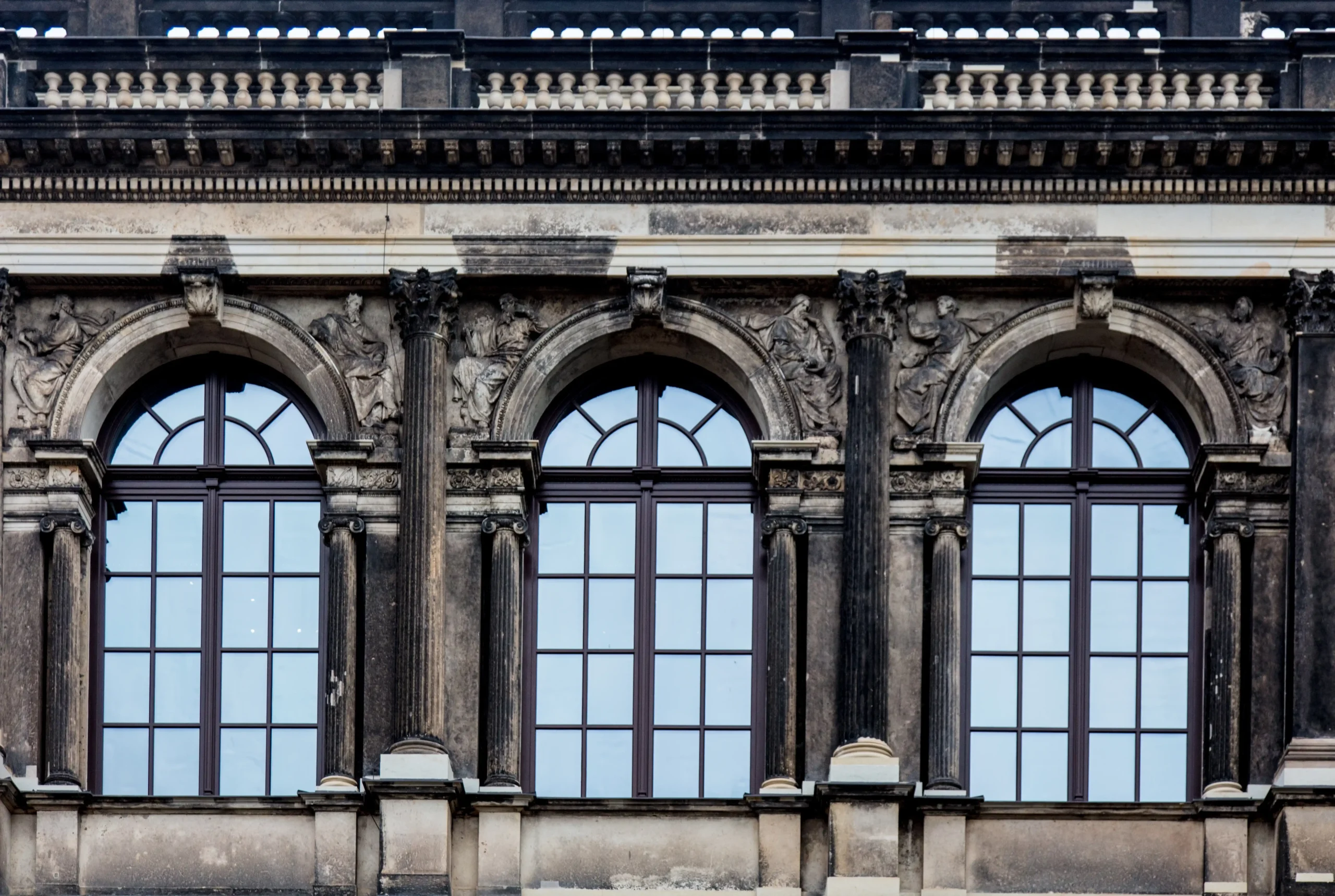
The commercial property sector faces mounting pressure to modernise ageing structures whilst maintaining profitability. Retrofitting legacy buildings by upgrading to architectural windows presents one of the most transformative improvements available, converting outdated properties into energy-efficient, competitive assets.
Many commercial properties from this era suffer from fundamental performance issues that impact their market viability. Single-pane windows, inefficient aluminium framing systems, and obsolete glazing technologies create substantial operational challenges. These deficiencies result in excessive energy consumption, compromised tenant comfort, and reduced property values whilst struggling to meet current building regulations and environmental standards.
Legacy structures present unique retrofitting complexities including structural constraints, potential asbestos concerns, irregular floor heights, and non-standard opening dimensions. However, the advantages of implementing modern commercial windows significantly outweigh these challenges when managed through proper planning and professional expertise.
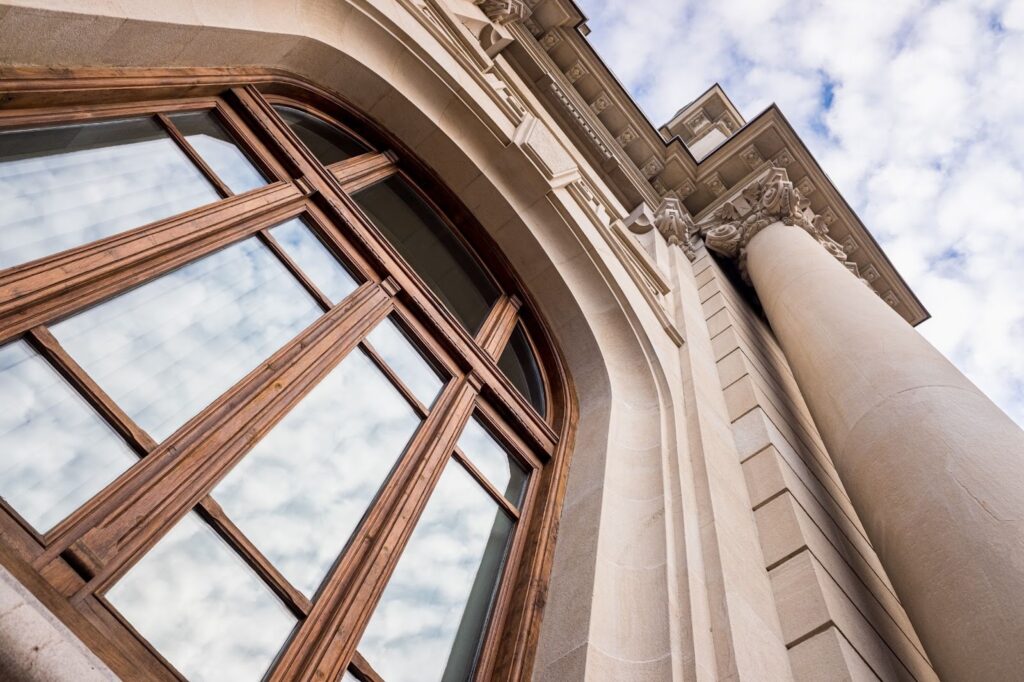
Contemporary architectural windows deliver immediate and substantial energy performance enhancements. Older commercial buildings experience significant heating and cooling energy losses through inefficient glazing systems. Modern high-performance commercial glazing can dramatically reduce these losses, generating considerable operational cost savings.
Advanced glazing technologies incorporate Low-E coatings, argon gas fills, and sophisticated spacer systems that were unavailable during the original construction period. The potential energy savings vary considerably depending on climate conditions, building size, and existing window performance levels.
Triple-glazed commercial windows, previously considered premium options, are becoming standard practice in retrofit projects. These systems provide superior insulation values whilst maintaining the sleek profiles essential for preserving architectural aesthetics. Advanced framing materials including thermally broken aluminium and fiberglass composites eliminate the thermal bridging common in older window systems.
Retrofitting architectural windows in legacy buildings demands thorough evaluation of existing structural conditions. Older properties may have load-bearing limitations that restrict window dimensions or necessitate additional structural reinforcement. Professional assessment proves essential for determining feasible and cost-effective modifications.
Integration with existing mechanical systems presents additional complexity. HVAC systems originally sized for inefficient windows may require recalibration to accommodate improved thermal performance. Building automation systems might need updates to capitalise on new technologies such as electrochromic glass or automated ventilation features.
Waterproofing and air sealing require particular attention in retrofit applications. Legacy buildings often experience settlement or structural movement creating irregular opening conditions. Modern commercial glazing must accommodate these variations whilst providing superior weather protection through advanced sealant systems and flexible flashing details.
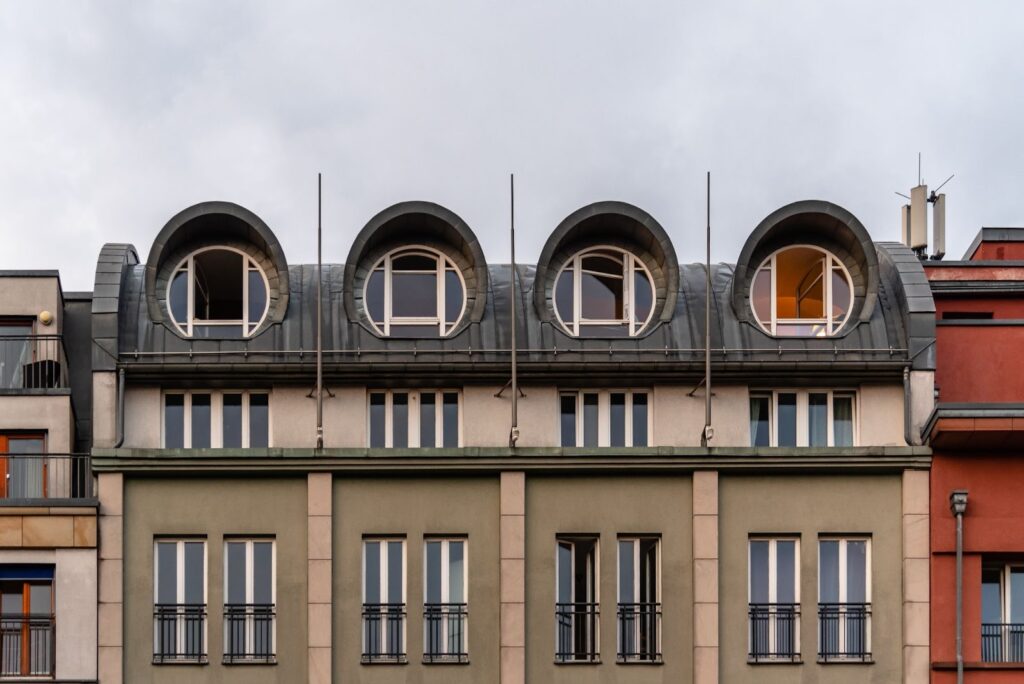
Retrofitting opportunities enable legacy buildings to achieve current regulatory standards. Modern architectural windows address accessibility requirements, improve emergency egress capabilities, and enhance fire safety performance. Window replacement offers a pathway to compliance without extensive structural modifications.
Contemporary commercial tenants demand high-performance building environments where natural light quality, thermal comfort, and energy efficiency directly influence satisfaction and retention rates. Legacy properties with outdated glazing struggle to compete against new construction or recently renovated facilities.
Advanced commercial windows transform interior environments by maximising daylight whilst controlling glare and heat gain. Superior glazing options provide enhanced colour rendering and reduce harsh contrasts typical of older systems. This environmental quality improvement often enables building owners to command higher rental rates and experience reduced vacancy periods.
Retrofit projects provide ideal opportunities for incorporating intelligent building technologies. Contemporary architectural windows can integrate sensors for automated shading, ventilation control, and occupancy detection. These systems connect with building management platforms to optimise energy performance and occupant comfort automatically.
Electrochromic and thermochromic glazing options enable dynamic control of solar heat gain and glare without traditional window treatments. Although requiring higher initial investment, these technologies provide unprecedented control over building performance and user comfort.
The financial justification for commercial glazing retrofits proves compelling when properly analysed. Energy savings provide ongoing operational cost reduction whilst improved building performance supports higher rental rates and property values. Utility companies and government agencies frequently offer rebates for high-performance window installations, further enhancing project economics.
Successful implementation requires comprehensive planning beginning with energy auditing and structural evaluation. Phased implementation minimises tenant disruption whilst spreading costs across multiple budget cycles. Professional project management ensures installation schedules maintain building operations whilst upholding safety and quality standards.
Modern architectural windows offer legacy buildings a pathway to sustained relevance, efficiency, and profitability that can extend operational life by decades. The technology gap between legacy and contemporary window systems continues widening, making retrofit performance benefits increasingly dramatic. Building owners who proactively upgrade their commercial glazing position their properties for long-term success in today’s competitive commercial property market.
Contact our architectural window specialists today to discuss how modern commercial glazing solutions can enhance your building’s energy efficiency, tenant satisfaction, and overall value. Our expert team will provide a comprehensive assessment and tailored retrofit strategy for your unique requirements.



GLRE © All Rights Reserved 2026