Statement leading to lead magnet.

Gleaming facades don’t maintain themselves, they require strategic high level cleaning planning that accounts for air pollution’s relentless assault.

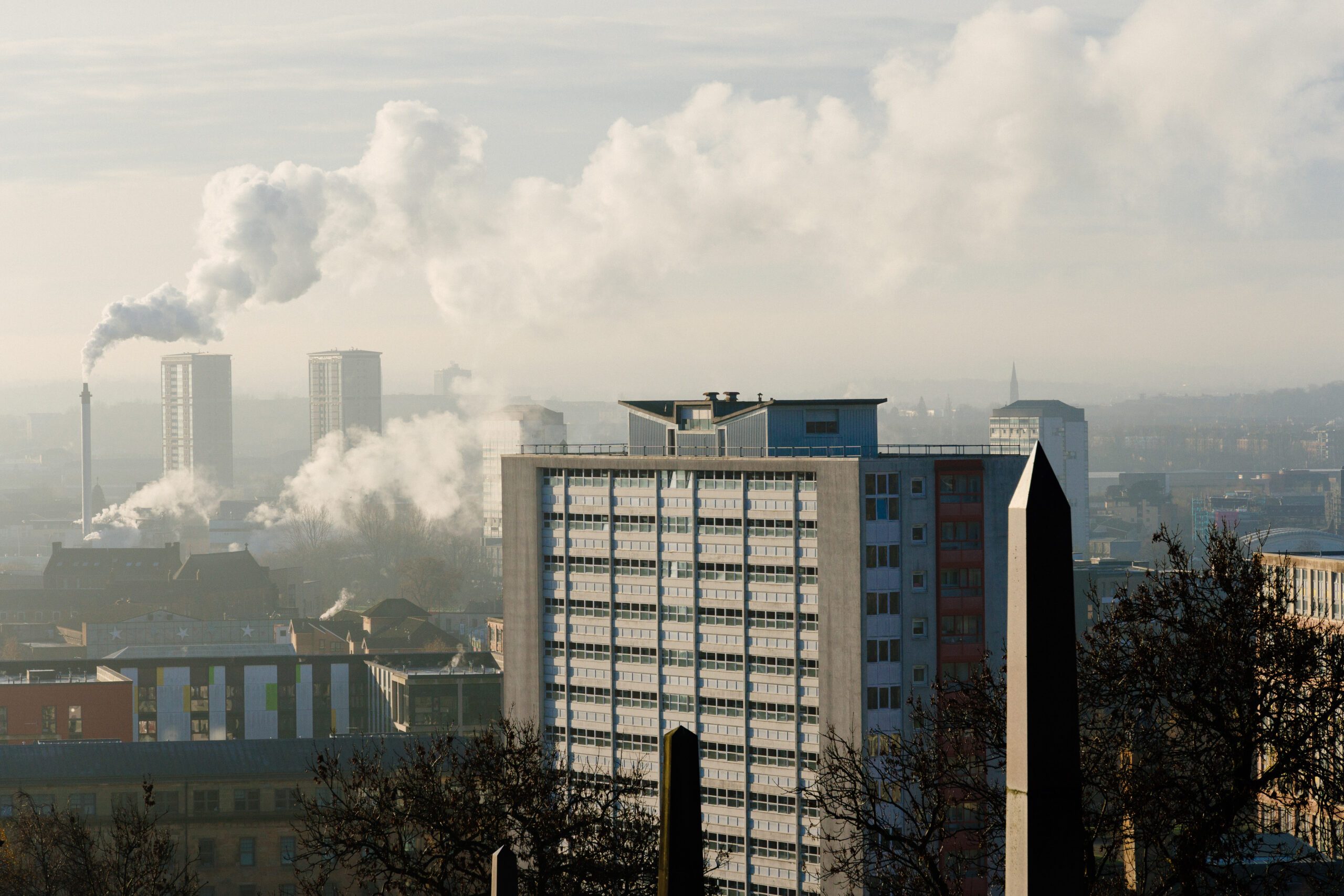
When you admire the pristine windows of a towering skyscraper, you’re witnessing the result of carefully orchestrated high level cleaning schedules. These gleaming facades don’t maintain themselves, they require strategic planning that accounts for air pollution’s relentless assault on building exteriors.
Air quality significantly impacts how frequently buildings require professional rope access cleaning services. Understanding this relationship helps property managers optimise maintenance schedules whilst ensuring their buildings project the professional image tenants and visitors expect.
Air pollution creates multiple challenges for building maintenance through various contamination mechanisms. Particulate matter, including dust, soot, and microscopic debris, continuously accumulates on glass surfaces. Urban environments compound this problem with vehicle emissions that produce nitrogen oxides and sulphur compounds, creating acidic residues when combined with atmospheric moisture.
Industrial areas face additional complications from chemical emissions that leave persistent films requiring specialised abseiling cleaning techniques. Even suburban locations encounter contamination from pollen, agricultural dust, and wind-borne particles from distant sources.
Building height intensifies these pollution effects significantly. Upper floors experience different air currents and pollution patterns compared to ground level. Wind dynamics around tall structures create concentration zones where pollutants accumulate unevenly across different floors and building faces, necessitating tailored abseil window cleaning approaches.

The disparity in cleaning frequencies between urban and suburban high rises is substantial. Metropolitan areas like London, Manchester, or Birmingham typically require professional high level cleaning every 4-6 weeks to maintain acceptable appearance standards. The combination of heavy traffic, industrial activity, and concentrated urban pollution creates contamination loads that rapidly compromise window clarity.
Suburban high rises often maintain cleanliness with 8-12 week cleaning cycles. However, seasonal factors such as construction activity, agricultural operations, or increased pollen can temporarily necessitate more frequent rope access for high level cleaning interventions.
Coastal buildings present unique challenges despite seemingly cleaner oceanic air. Salt spray combines with urban pollution to create particularly stubborn residues, sometimes requiring specialised cleaning solutions and increased maintenance frequency.
Air pollution fluctuates throughout the year, requiring adaptive cleaning strategies. Spring introduces heavy pollen loads that coat windows in distinctive films, whilst summer heat can bake pollutants onto glass surfaces, complicating removal and potentially requiring intensive abseiling cleaning methods.
Autumn presents challenges from increased particulate matter as vegetation decomposes and wind patterns shift. Winter, despite generally cleaner air from reduced outdoor activity, can trap pollutants during temperature inversions, creating concentrated exposure for lower building levels.
Progressive building managers monitor these seasonal patterns and adjust their high rise cleaning contracts accordingly, implementing variable scheduling that increases frequency during peak pollution periods whilst reducing it during cleaner seasons.

Postponing cleaning schedules may appear economical initially, but pollution-related contamination becomes progressively more difficult and expensive to remove. Acidic compounds from air pollution can etch glass surfaces permanently if neglected, necessitating window replacement rather than standard rope access, high level cleaning.
Particulate matter that remains on windows for extended periods bonds more tenaciously with glass surfaces. Contamination removable with standard solutions in week four might require specialised treatments and additional labour by week twelve. This false economy typically results in higher total cleaning costs and reduced window lifespan.
Professional abseil window cleaning companies often recommend increased frequency in high-pollution areas not merely for aesthetics, but for glass preservation. Additional cleaning sessions typically cost significantly less than premature window replacement.
Contemporary building management increasingly utilises technology to optimise cleaning schedules based on actual pollution exposure rather than arbitrary timelines. Air quality monitoring systems track particulate matter levels around buildings, providing data-driven insights for high level cleaning requirements.
Advanced building management systems integrate weather data, air quality indices, and visual inspection reports to create dynamic cleaning schedules. These systems automatically adjust cleaning frequency based on measured pollution levels, potentially reducing costs during clean periods whilst ensuring adequate maintenance during high-pollution events.
Photographic monitoring systems track grime accumulation patterns by capturing regular images of identical windows, helping managers optimise cleaning timing and transition from reactive to predictive maintenance approaches.
Understanding the relationship between air pollution and cleaning frequency proves crucial for budget planning and tenant satisfaction. Success lies in balancing professional appearance standards with cost control through informed decision-making.
Consider implementing flexible cleaning contracts allowing schedule adjustments based on actual conditions rather than rigid timelines. Collaborate with professional rope access cleaning companies that understand local pollution patterns and can provide location-specific guidance for optimal cleaning frequency.
Regular communication with abseiling cleaning contractors about observed pollution levels and accumulation patterns helps refine schedules progressively. Individual buildings may require different approaches even within the same city due to factors like orientation, traffic patterns, and local wind conditions.
Proper window maintenance investment delivers returns through enhanced building appearance, tenant satisfaction, and extended glass longevity. By understanding pollution’s specific impact on your building, you can make informed decisions balancing cost, appearance, and maintenance requirements effectively.
Air pollution remains unavoidable in modern urban environments, but its impact on building windows needn’t be unpredictable or unmanageable. Strategic scheduling and monitoring approaches ensure your high rise maintains optimal appearance whilst maximising maintenance budget efficiency.
Is your commercial building due for window cleaning? Contact our certified rope access specialists for a comprehensive assessment and cleaning service plan.



GLRE © All Rights Reserved 2026